A welding machine is a professional equipment used to join two or more metal workpieces (such as steel, aluminum, copper, etc.) by applying heat, pressure, or a combination of both, to form a permanent connection. As a core tool in metal processing, welding machines are widely used in manufacturing, construction, aerospace, automotive repair, shipbuilding, and many other industries. From small household metal repairs to large-scale industrial structure fabrication, welding machines play an irreplaceable role. The performance and working principle of welding machines directly determine the strength, durability, and precision of the welded joint. This article will systematically explain the definition, classification, and basic working principles of welding machines, providing a clear reference for industry practitioners and related enthusiasts.
I. What is a Welding Machine? Definition and Core Classification
In essence, a welding machine is a device that converts electrical energy (or other forms of energy) into thermal energy or mechanical energy, and uses this energy to melt or heat the metal workpieces and welding materials (such as welding rods, welding wires), so that the workpieces are fused together after cooling. Unlike detachable connections (such as bolts and rivets), the connection formed by welding is permanent, which can effectively ensure the integrity and load-bearing capacity of the structure.
1. Core Definition
A welding machine refers to equipment that achieves metal connection by means of heating, pressure, or both, with the help of welding materials (or without welding materials) to make the contact surfaces of the workpieces reach a molten or plastic state. Its core function is to provide stable and controllable energy, ensuring that the welded joint meets the design requirements of strength, tightness, and precision.
2. Common Classification
Welding machines can be divided into different types according to the energy source and welding method, and the working principles of different types of welding machines vary significantly. The most common classifications are as follows:
• Arc Welding Machine: The most widely used type, which uses electric arc as the heat source to melt the workpiece and welding material. It is divided into AC arc welding machines, DC arc welding machines, and inverter arc welding machines (the most popular type in the current market due to high efficiency and energy saving).
• Resistance Welding Machine: Uses the resistance heat generated by the current passing through the contact surface of the workpieces to melt the metal and form a joint. Common types include spot welding machines, seam welding machines, and butt welding machines, which are widely used in automotive manufacturing and sheet metal processing.
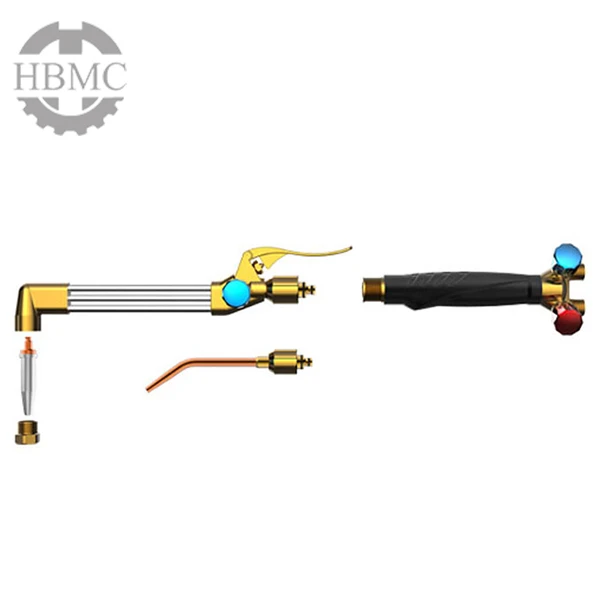
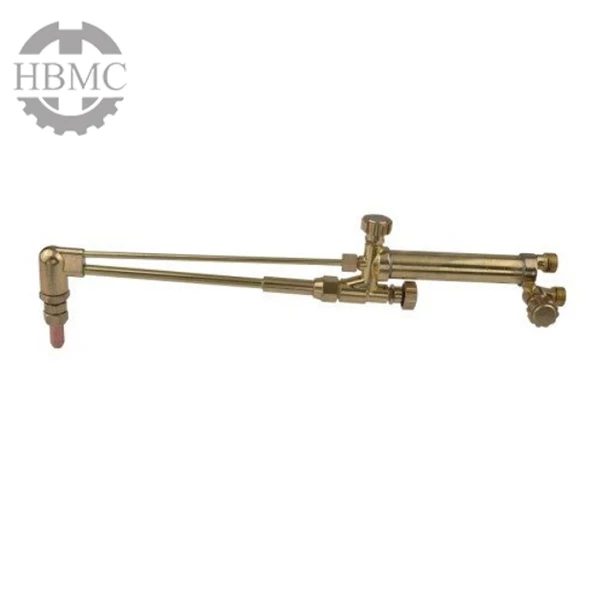
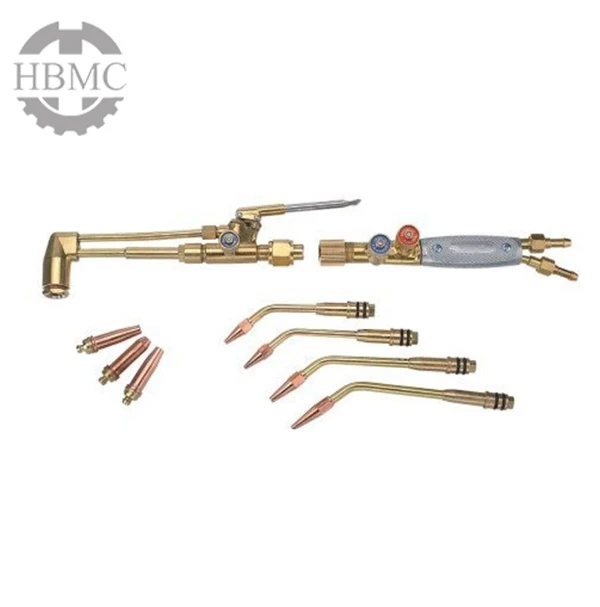
• Gas Welding Machine: Uses the combustion of flammable gas (such as acetylene, propane) and oxygen to generate high-temperature flame as the heat source, suitable for welding thin metal plates and non-ferrous metals.
• Laser Welding Machine: Uses high-energy laser beams as the heat source, with the advantages of high precision, small heat-affected zone, and fast welding speed, suitable for high-precision welding scenarios such as aerospace and electronic components.
• Other Types: Including plasma arc welding machines, submerged arc welding machines, and brazing machines, each with its own characteristics and applicable scenarios.
II. Basic Working Principles of Welding Machines (Core Types)
Although there are many types of welding machines, their basic working principles are based on "energy conversion" and "metal fusion". The following focuses on the working principles of the four most commonly used welding machines, helping to understand the core mechanism of welding.
1. Working Principle of Arc Welding Machine
Arc welding machines are the most widely used welding equipment, and their core working principle is to generate an electric arc between the welding electrode (welding rod or welding wire) and the workpiece, using the high temperature of the electric arc to melt the electrode and the surface of the workpiece, and form a welded joint after cooling and solidification.
The specific process is as follows: First, the welding machine converts the alternating current (or direct current) of the power grid into a stable welding current with appropriate voltage and current. When the welding electrode is close to the workpiece to a certain distance (usually 2-5mm), a strong electric field is formed between the electrode and the workpiece, which breaks down the air between them to form an electric arc. The temperature of the electric arc can reach 3000-6000℃, which is enough to melt the metal of the workpiece surface and the welding electrode (or welding wire). At the same time, the protective gas (such as carbon dioxide, argon) or the coating of the welding rod will form a protective layer around the electric arc, preventing the molten metal from being oxidized by air and ensuring the quality of the welded joint. After the welding is completed, the molten metal cools and solidifies to form a firm joint, realizing the connection of the workpieces.
2. Working Principle of Resistance Welding Machine
Resistance welding machines rely on the resistance heat generated by the current to realize metal welding, and their working principle is based on the Joule's law (Q = I²Rt), that is, the heat generated is proportional to the square of the current, the resistance of the conductor, and the energization time.
The key process is: Place the two workpieces to be welded together, and apply a certain pressure through the electrode of the welding machine to make the contact surface of the workpieces closely fit. Then, pass a large current through the electrode and the workpieces. Since the contact resistance between the workpieces is much larger than the resistance of the workpieces themselves, most of the heat is generated at the contact surface, causing the local metal to melt and form a "weld nugget". After cutting off the current and maintaining the pressure for a period of time, the weld nugget cools and solidifies, and the two workpieces are firmly connected. Resistance welding has the characteristics of fast speed, high efficiency, and no need for welding materials, which is suitable for batch production.
3. Working Principle of Gas Welding Machine
The working principle of gas welding machines is to use the high-temperature flame generated by the combustion of flammable gas and oxygen to melt the workpiece and welding material, and form a welded joint after cooling. The core is the control of the flame temperature and combustion ratio.
Commonly used flammable gas is acetylene, and the combustion reaction with oxygen is: 2C₂H₂ + 5O₂ → 4CO₂ + 2H₂O + heat. The temperature of the flame can reach 3000-3300℃, which can melt most metals. According to the ratio of oxygen to acetylene, the flame can be divided into neutral flame, oxidizing flame, and reducing flame: neutral flame (oxygen-acetylene ratio 1.0-1.2) is the most commonly used, suitable for welding steel, copper, and other metals; oxidizing flame (oxygen-acetylene ratio >1.2) is suitable for welding brass; reducing flame (oxygen-acetylene ratio <1.0) is suitable for welding aluminum, magnesium, and other non-ferrous metals. During welding, the flame is used to heat the workpiece and welding wire to a molten state, and the molten metal flows together to form a joint after cooling.
4. Working Principle of Laser Welding Machine
Laser welding machines use high-energy laser beams as the heat source, and their working principle is to focus the laser beam into a small spot through an optical system, so that the energy is highly concentrated, and the local area of the workpiece is quickly heated to melt, realizing welding.
The specific process is: The laser generator emits a laser beam, which is transmitted and focused through the optical fiber and focusing lens to form a high-energy density spot (the energy density can reach 10⁶-10⁹ W/cm²). When the spot irradiates the surface of the workpiece, the workpiece absorbs the laser energy and converts it into thermal energy, causing the local metal to melt rapidly. If it is penetration welding, the laser beam will penetrate the workpiece, and the molten metal of the two workpieces will fuse together; if it is conduction welding, the laser energy is only concentrated on the surface of the workpiece, making the surface melt and form a joint. Laser welding has the advantages of high precision, small heat-affected zone, and no contact with the workpiece, which is suitable for high-precision and thin-walled workpiece welding.
III. Common Working Characteristics of Welding Machines
Regardless of the type of welding machine, their working processes have the following common characteristics, which are the core of ensuring welding quality:
1. Energy Conversion: All welding machines need to convert external energy (electrical energy, chemical energy, light energy, etc.) into thermal energy or mechanical energy to realize metal fusion. The stability of energy conversion directly affects the welding effect.
2. Metal Fusion: The core of welding is to make the contact surface of the workpieces reach a molten or plastic state, so that the atoms of the workpieces can diffuse and fuse with each other, forming a permanent connection after cooling.
3. Protective Measures: During the welding process, the molten metal is easily oxidized by air (oxygen, nitrogen, etc.), resulting in defects such as pores and cracks in the joint. Therefore, most welding machines are equipped with protective measures, such as protective gas, welding flux, or welding rod coating, to isolate the molten metal from the air.
4. Parameter Control: The key parameters of welding (such as current, voltage, welding speed, flame temperature, etc.) need to be accurately controlled. Different materials and thicknesses of workpieces require matching parameters to ensure the strength and precision of the joint.
IV. Key Notes for Using Welding Machines
Welding machines are high-energy equipment, and correct use is crucial to ensure operational safety and welding quality. The following key notes should be paid attention to:
1. Safety Protection: Operators must wear professional protective equipment, such as welding masks, protective gloves, and flame-retardant clothing, to avoid burns, electric shocks, and damage to eyes caused by electric arcs or high-temperature flames.
2. Parameter Adjustment: Before welding, adjust the welding parameters according to the material, thickness, and welding method of the workpiece to avoid defects such as insufficient welding, over-welding, or cracks caused by improper parameters.
3. Equipment Maintenance: Regularly inspect and maintain the welding machine, including cleaning the electrode, checking the power supply line, and maintaining the cooling system, to ensure the stable operation of the equipment and extend its service life.
4. Working Environment: The welding site should be well-ventilated to avoid the accumulation of harmful gases (such as welding fumes). At the same time, keep away from flammable and explosive materials to prevent fire or explosion accidents.
V. Industry Development Trends of Welding Machines
With the continuous development of industrial technology, welding machines are gradually moving towards intelligence, automation, and high precision. Intelligent welding machines equipped with automatic tracking systems and parameter adjustment functions can automatically adapt to the shape and thickness of workpieces, improving welding efficiency and quality; robotic welding systems (such as welding robots) are widely used in batch production, reducing manual operation errors and ensuring the consistency of welding joints.
At the same time, environmental protection and energy saving have become important development directions. Inverter welding machines have gradually replaced traditional welding machines due to their high energy conversion efficiency (up to 90% or more) and low energy consumption. New welding technologies such as laser welding and plasma arc welding are constantly improving, expanding the application scope of welding machines in high-end manufacturing fields.
Conclusion
A welding machine is a key equipment for metal connection, which realizes the permanent connection of workpieces through energy conversion and metal fusion. Different types of welding machines have different working principles and applicable scenarios, but they all follow the core logic of "energy supply - metal melting - cooling solidification". Understanding the definition and basic working principles of welding machines is not only helpful for correctly using welding equipment and ensuring welding quality but also for grasping the development trend of the welding industry.
In the future, with the continuous innovation of technology, welding machines will become more intelligent, efficient, and environmentally friendly, providing stronger support for the development of manufacturing, aerospace, automotive, and other industries, and promoting the progress of metal processing technology.